
Infection Control Across Healthcare: It’s Not Just for Hospitals
June 30, 2026

Infection Control Across Healthcare: It’s Not Just for Hospitals

Every day, thousands of patients move through these environments for treatment, consultation, and rehabilitation. With high patient turnover and shared spaces, effective infection control protocols are essential to protect both patients and healthcare professionals.

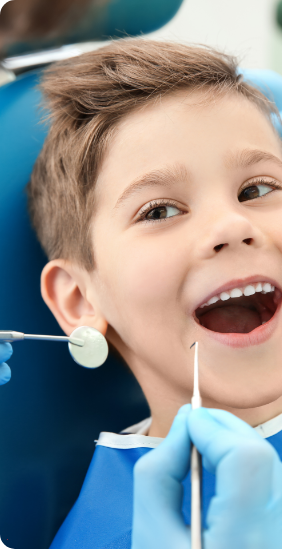
Dental Practices
Dental clinics operate in an environment where close contact with patients and exposure to bodily fluids makes infection control a critical priority.
Key infection control considerations include:
- Disinfection of dental chairs and treatment areas between patients
- Cleaning of light handles, trays, and control panels
- Safe handling and sterilisation of dental instruments
- Managing aerosol-generating procedures
Because many dental procedures generate aerosols, surface disinfection and proper contact times for disinfectants play an important role in reducing cross-contamination. At Bio Hygiene we recommend non-aerosol where possible, suggesting foam not spray, to reduce the risk of chemical inhalation.
Many dental practices also rely on instrument disinfection prior to sterilisation as part of their infection control workflow. For example, our customers in the dental sector commonly use our Instrumental to disinfect instruments before they proceed to the sterilisation stage, helping support safe and effective instrument reprocessing protocols.
Physiotherapy and Chiropractic Practices

Physiotherapy and chiropractic clinics often involve hands-on treatments and shared equipment, which increases the potential for microbial transfer between patients.
Common high-touch surfaces include:
- Treatment tables
- Exercise equipment
- Resistance bands and rehabilitation tools
- Adjustment tables
- Door handles and reception counters
Regular disinfection between patients and daily cleaning protocols are essential to maintain safe treatment environments.
In addition to routine cleaning, maintaining the condition of treatment tables is also important. Some chiropractic clinics that work with Bio Hygiene use BevistoCryl to help maintain and protect acrylic treatment table surfaces while keeping them hygienically clean between patient appointments.
GP Clinics and Medical Practices
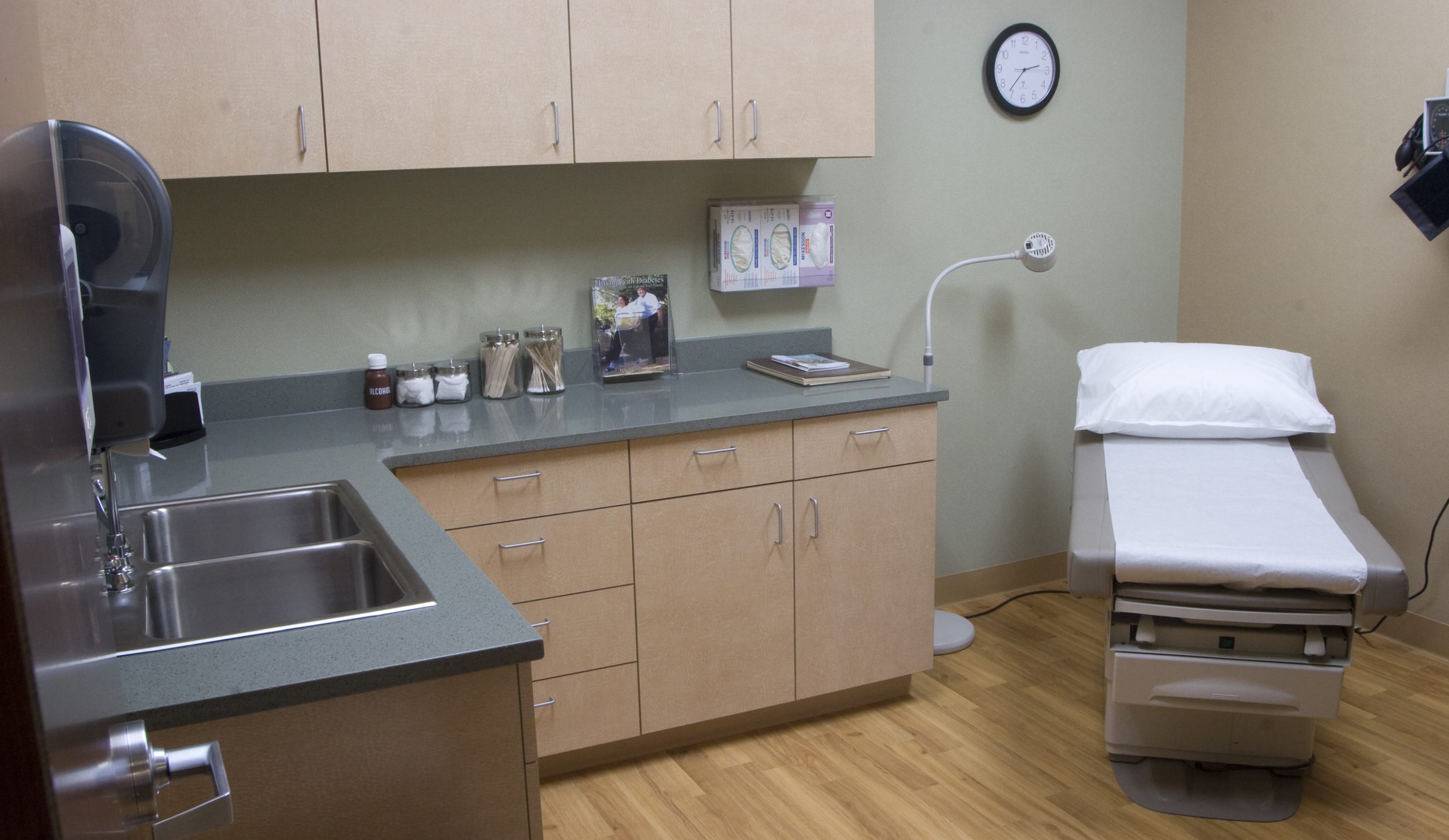
General practice clinics see a wide variety of patients, including those presenting with respiratory illnesses, infections, and chronic conditions.
Important infection control measures include:
- Cleaning examination beds and diagnostic equipment
- Disinfecting blood pressure cuffs, thermometers, and stethoscopes
- Maintaining hygiene in shared consultation spaces
- Implementing effective hand hygiene protocols
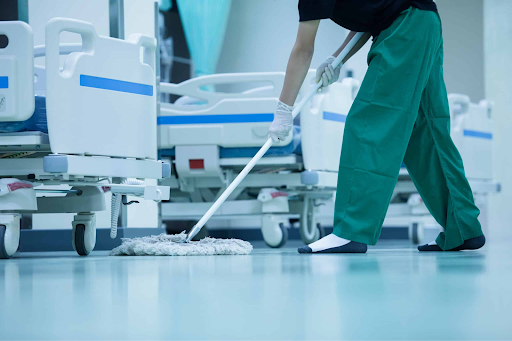
Because GP clinics often serve as the first point of care, robust infection control helps prevent the spread of illness within the community. Our Bio Hygiene plant-based medical wipes used with BevistoCryl ensure medical settings remain hygienic.
Waiting Rooms: A Hidden Risk Area

Patients share:
- Chairs and armrests
- Reception desks
- Pens, clipboards, and forms
- Door handles and payment terminals
Regular disinfection of these high-touch surfaces helps reduce the spread of disease, particularly during cold and flu seasons.
Infection Control Is Everyone’s Responsibility
From dental clinics to physiotherapy practices and GP surgeries, infection control is a shared responsibility across the healthcare sector. By maintaining high standards of hygiene, healthcare providers help create safer environments for both patients and staff.
In modern healthcare, infection prevention is no longer limited to hospitals. Every healthcare setting plays an important role in protecting community health through effective cleaning and disinfection practices.